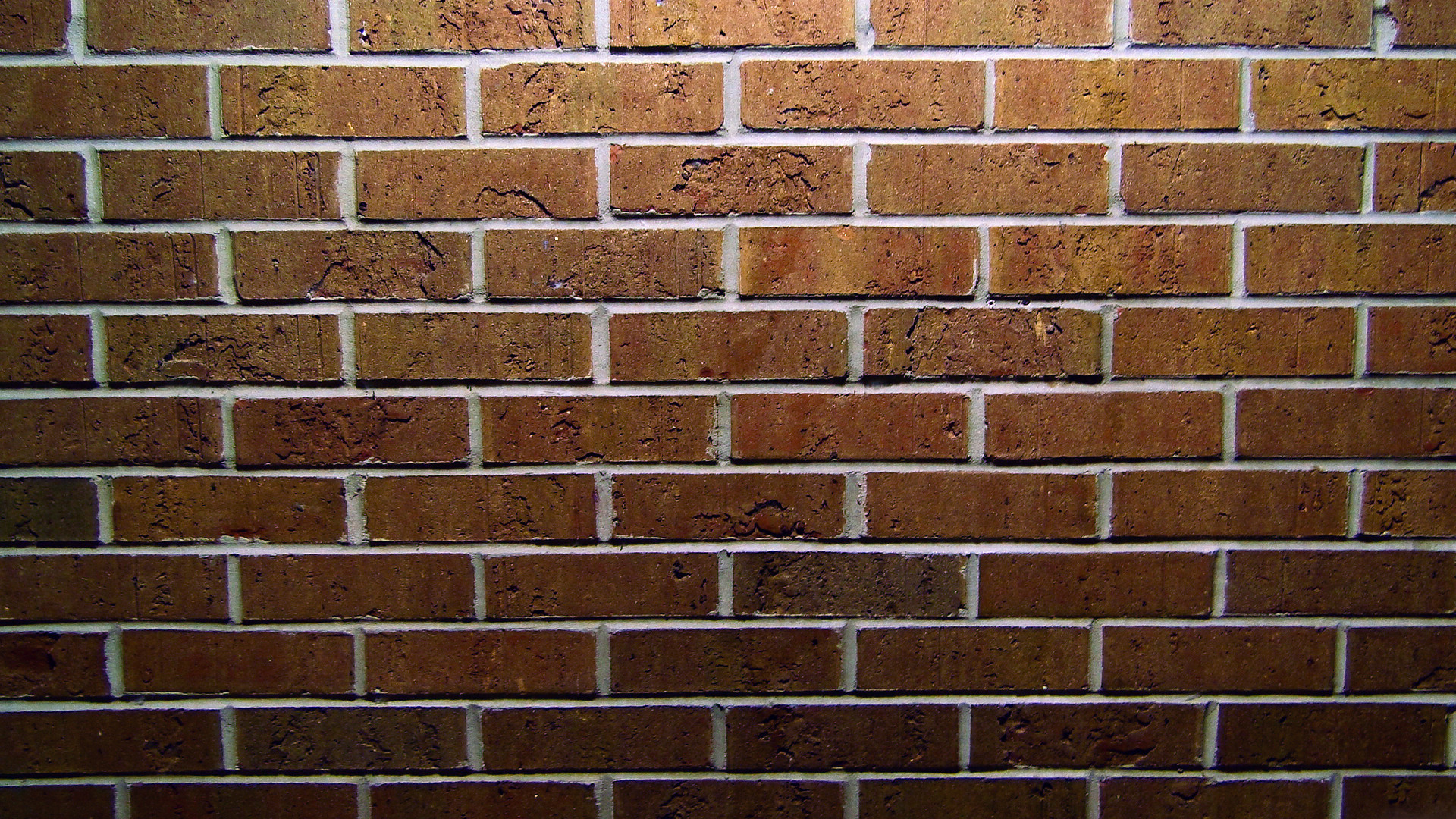


If you’ve noticed crumbling mortar or gaps between the bricks on your home, garage, or chimney, it’s probably time for tuckpointing. Understanding how to tuck point brick can help you extend the life of your masonry, improve its appearance, and prevent costly structural damage down the road. Whether you’re a seasoned DIYer or just curious about the process, this step-by-step guide will walk you through everything you need to know.
What Is Tuckpointing and Why It Matters
Before jumping into how to tuck point brick, it’s helpful to understand what tuckpointing is. Tuckpointing is removing old mortar joints that have broken down and filling them in with new mortar. Not only does this make the structure stronger, but it also provides your brickwork a refreshed, clean appearance.
Mortar joints typically disintegrate prior to the bricks. These cracks allow water penetration, leading to more serious issues like displacement of the bricks, internal seepage, and even structure damage.
Tools and Materials You’ll Need for How to Tuck Point Brick
To get started with how to tuck point brick, gather the following supplies:
- Cold chisel and hammer or angle grinder with masonry blade
- Pointing trowel or tuckpointing tool
- Joint raker or stiff wire brush
- Pre-mixed mortar or mortar mix (matched to your existing color and type)
- Mixing bucket
- Safety gear: gloves, goggles, dust mask
- Spray bottle with water
Step 1: Remove the Damaged Mortar
The first step in how to tuck point brick is removing the old, cracked mortar. Use a hammer and chisel or an angle grinder to clear out the damaged joints to a depth of about ¾ inch. Be careful not to chip the bricks.
Tip: Work slowly and wear protective gear—the dust can be intense, and you want to avoid damaging the surrounding brick.
Step 2: Clean the Joints
After removal, clean the joints thoroughly using a wire brush or joint raker. It’s important to get rid of all dust and debris. Lightly mist the area with water before applying new mortar to prevent it from drying too fast.
Proper prep is essential when learning how to tuck point brick effectively.
Step 3: Mix the Mortar
Follow the instructions on your mortar mix package, aiming for a consistency similar to peanut butter. A properly mixed mortar will bond well and be easier to pack into the joints.
Consistency is key in how to tuck point brick—too dry and it won’t stick; too wet and it will sag.
Step 4: Apply the Mortar
Now comes the core of how to tuck point brick. Using your pointing trowel, press the mortar firmly into the horizontal joints first, then the vertical ones. Make sure the new mortar fills the joint completely with no gaps or air pockets.
Pack it in tightly and smooth the surface as you go to match the existing joint lines.
Step 5: Tool and Finish the Joints
Once the mortar begins to firm up (usually after 30–60 minutes), use a jointer or trowel to shape the joints. This not only gives your wall a finished look but also helps repel water.
A neat finish is a signature of someone who knows how to tuck point brick the right way.
Step 6: Clean Up and Cure
Wipe away excess mortar from the face of the bricks with a damp sponge before it dries. Allow the mortar to cure for several days, lightly misting it with water in hot or dry conditions to prevent cracking.
Completing this final step properly ensures your tuckpointing will last for years.
How to Tuck Point Brick – When to Call in a Pro
It’s great to learn how to tuck point brick yourself, but in some cases, you’re better off leaving it to a pro—particularly if you’re dealing with a high chimney, a big surface area, or old masonry. Badly done tuckpointing can more damage than repair, so be aware of your limitations.
Final Thoughts on How to Tuck Point Brick
How to tuck point brick is a skill you should learn as a homeowner. With minimal tools and some effort, you can avoid any irreversible damage to your property and restore the look of your brickwork. Whether you’re repairing a small section or an entire wall, how you do it makes a big difference.